How to be a Nomad: Guide
A lifestyle methodology guide on how to become and be a nomad in the modern world – as a professional, civilian, retiree or active operative.
A nomad is a person who deliberately lives a life of dynamic travel and exploration. –Det V Cader
There are many different types of nomads but they all share the same commonality of location independent mobility and persistent wanderlust. Whether you’re a classic nomad, adventure nomad, digital nomad, operative nomad or modern nomad, it’s a lifestyle.
It’s just another way of living. A nomad goes on about their day as if it’s just another workday or weekend. Waking up, going to work, running errands than relaxing or going out until bedtime… With slight variations often and major deviations once in a while.
It’s just living and working like you would in an “ordinary” life. The difference is that this living and working can be done anywhere, everywhere and at anytime. Which is the basis of and the most attracting factors of being a nomad; geographical flexibility, lifestyle mobility and boundless wanderlust engagement.
This is a guide on how to be a nomad :
Location Independence
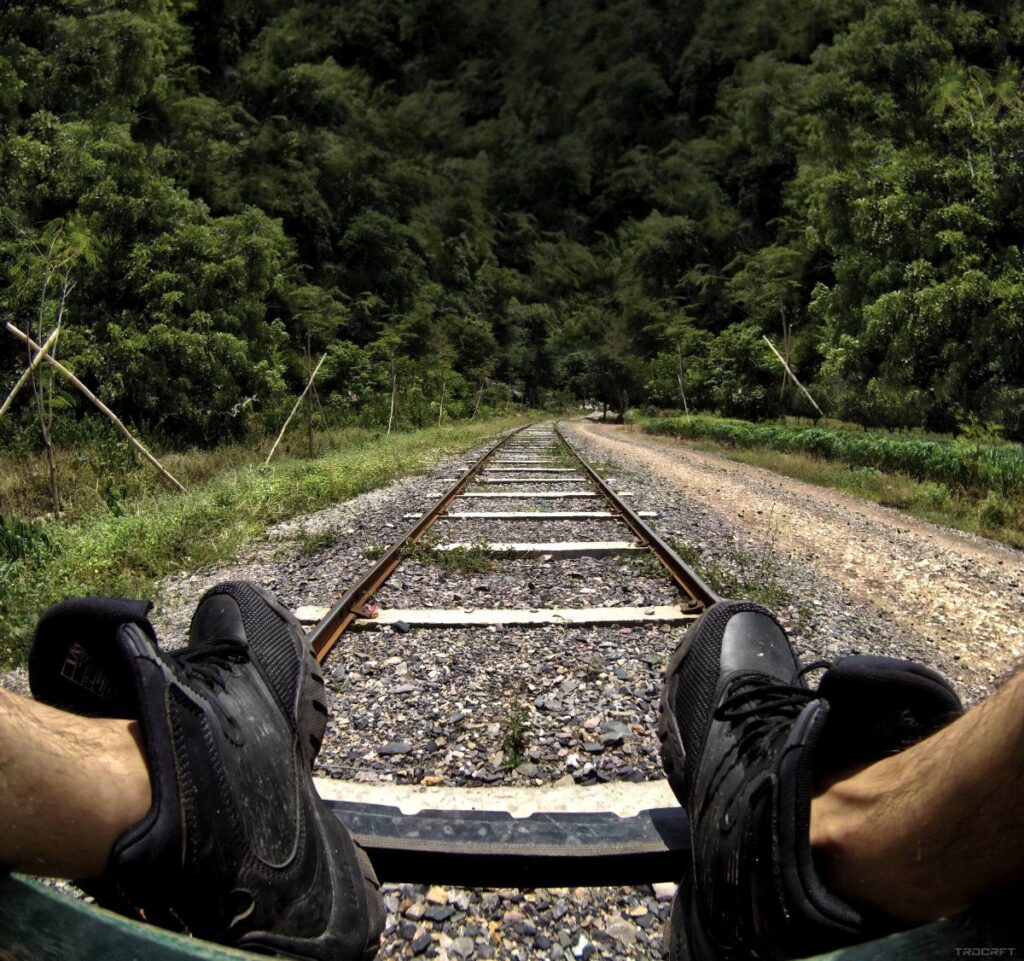
Most people not only need but want location dependence. That is, they require a type of lifestyle where they have a physically stationary existence. They always go back to the same bed, to the same place of work and play at the same places – like clockwork.
Every time, all the time, all the same places at the same times, day in and day out. They are dependent on a fixed area of living.
Location independence is essential to be a nomad, that is, you don’t have to or want to be in a fixed area of living with limited flexibility.
The Mindset
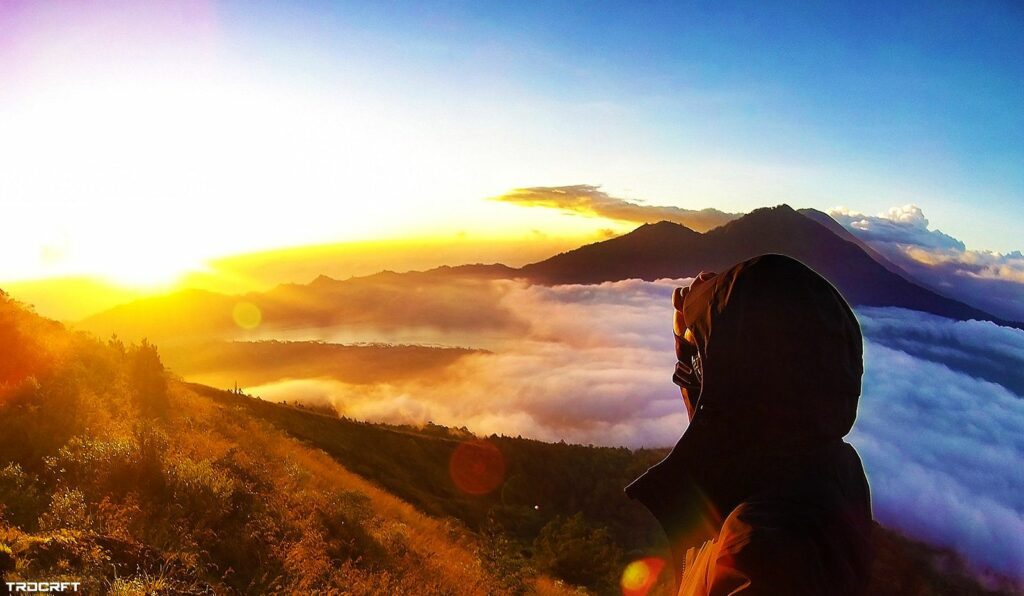
After you achieve the technicalities location independence for the necessities of living, you’ll also need the right mindset. Your finances and work may be prepped for a nomadic life but so should your way of thinking of a “normal” life.
Nomadic living dates back to almost the beginning of humanity; hunting and gathering then moving on to the next location for resources and land livability.
This mindset is that “home” doesn’t have to be a specific place but wherever and whenever you make it your home. Home is a concept, not a fixed place.
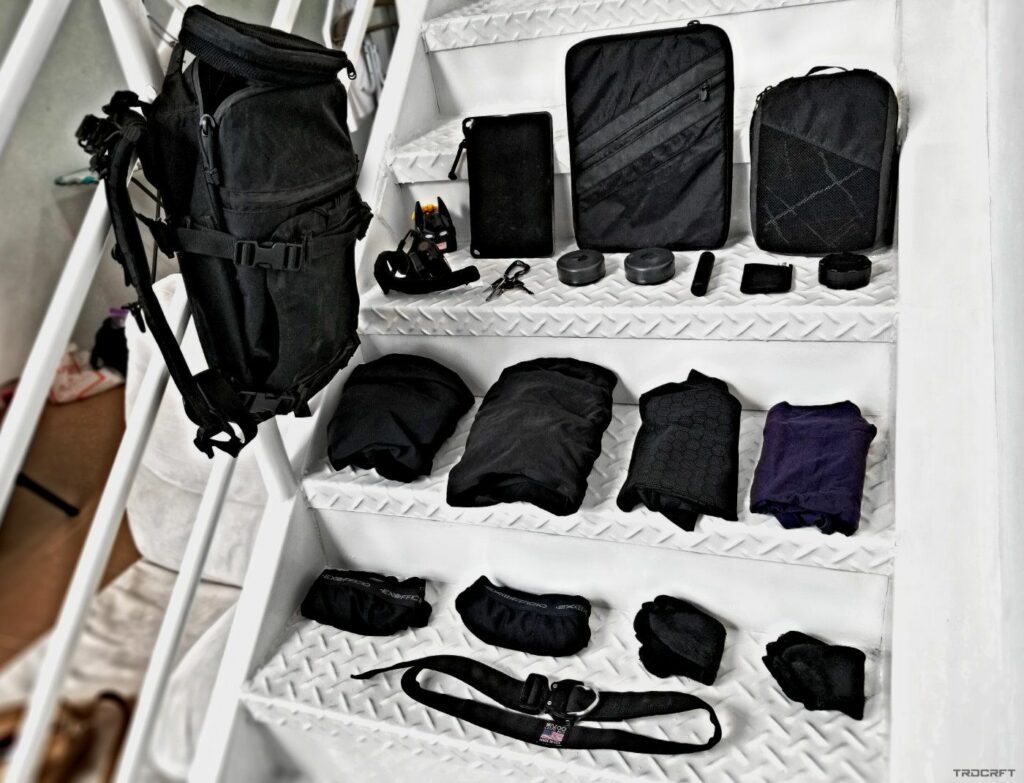
Packing List
One of the worst aspects of travel can be one of the best aspects of being a nomad; your gear. Hauling all your things through the airport, buses, customs, trains, security and just walking with them can seem like a hassle going from point A to B.
But as a nomad, being able to live and thrive with just the contents of your backpack is liberating and a continuous lesson in minimalism. You don’t need a house full of things to live fully, as a nomad you just need what you need and with experience your wants decrease as well as your needs.
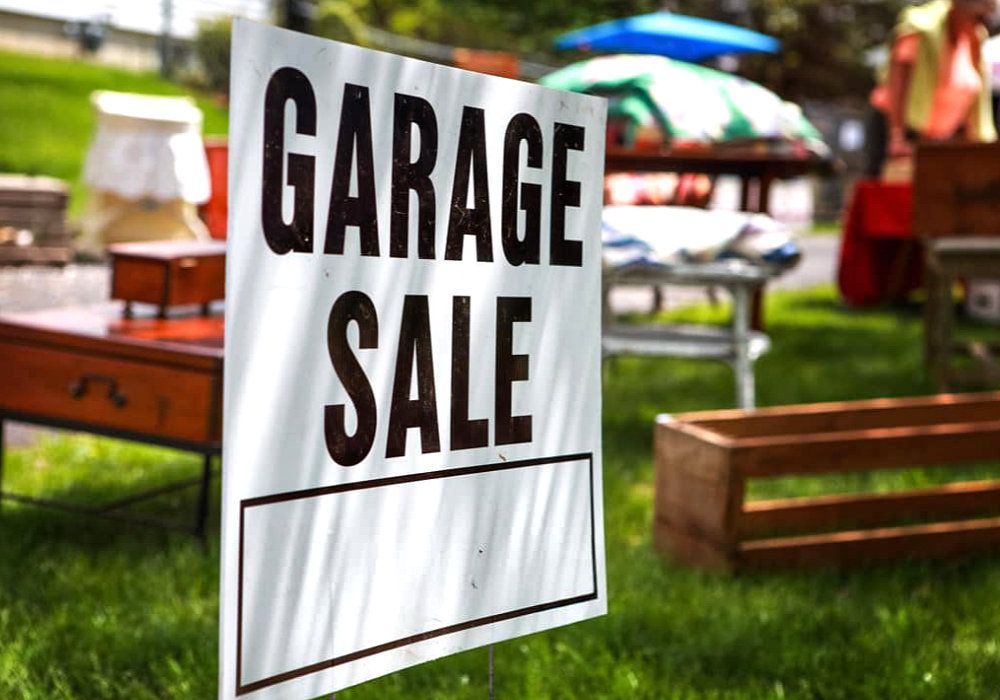
Sell Everything
A simple rule to go by is; if you can’t fit it in your backpack then you don’t need it. If you don’t need it, then sell it or give it away.
Have a yard sale, post things on Craigslist and eBay. Like your TV, desktop computer, exercise equipment, furniture, game systems and so on. Anything you can’t possibly use as a nomad and can sell easily. Better to have more cash for your new lifestyle then those things collecting dust in your old lifestyle.
That is of course if your nomad lifestyle is indefinite. If it’s short term, keep your things as is at your place or in a storage facility.
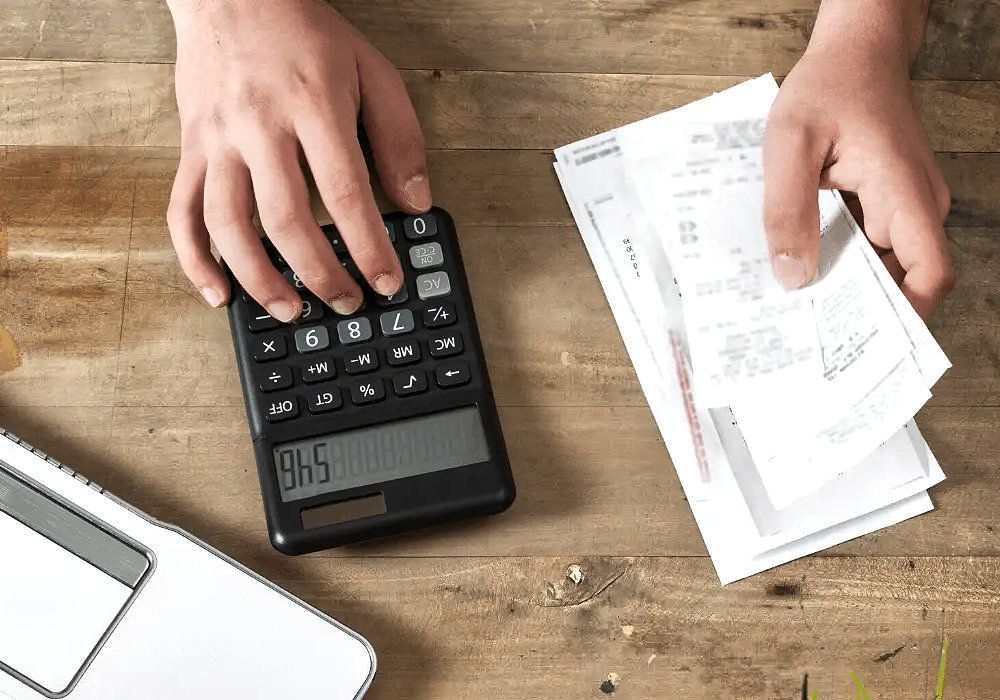
Cancel Everything
One of the reasons why being a nomad typically has a lower cost of living than “regular” living is because of less bills. It seems strange but there’s more things to pay for on a monthly or contract basis when stationary as supposed to being mobile.
Cable, internet, electricity, Amazon Prime, gym memberships, car payments and whatever else that deducts your money every month. That’s potentially many hundreds of dollars you get to keep.
Cancel all that and keep things like your phone service (but use local cell services) and maybe Netflix (which you can use globally with VPN).
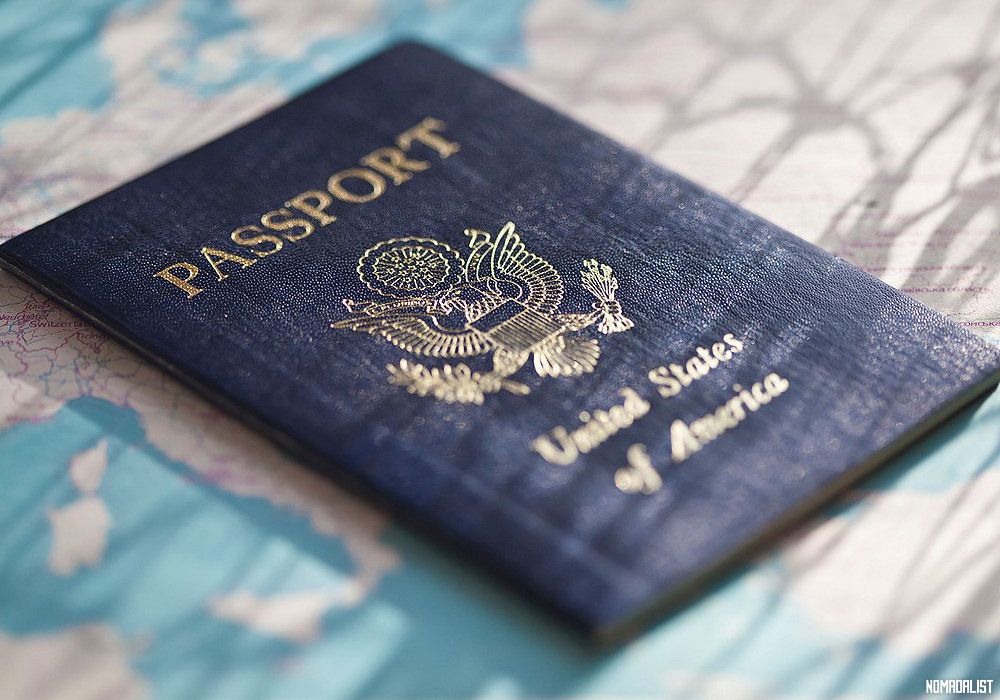
The Passport
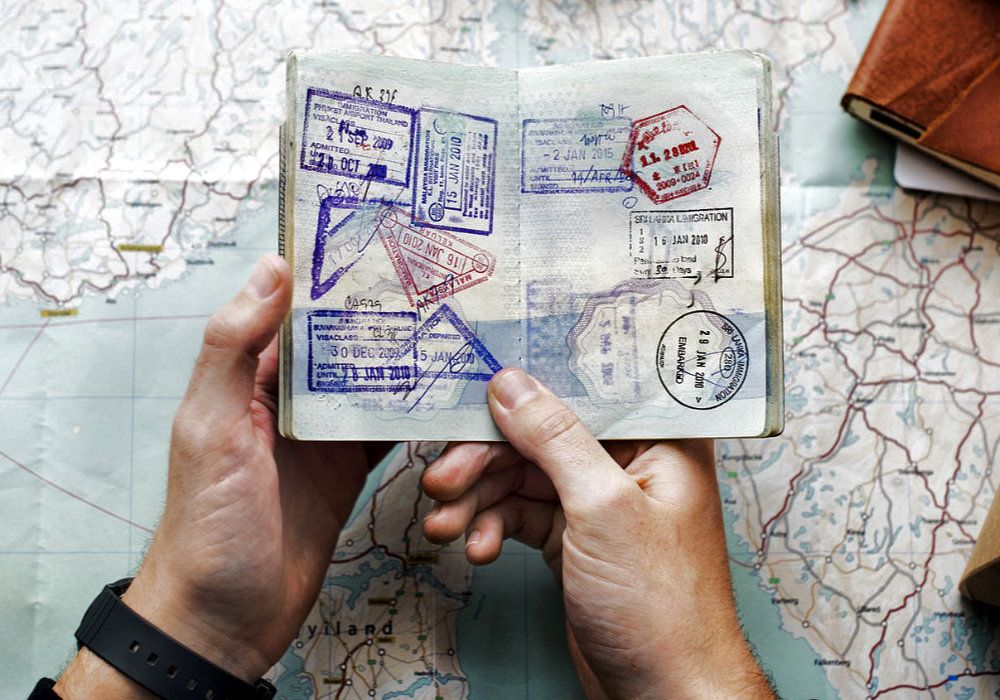
The single most important item of a nomad packing list. You can’t enter a country without it or leave a country without it. For all intents and purposes, you don’t exist without this book as a foreigner in a country. So guard your passport like your life depends on it, because it does.
Getting a new one while abroad is not impossible but is a cumbersome and timely process, particularly if you’re replacing (lost passport), not renewing.
Before leaving to become a nomad, make sure it has a few years left before expiration and plenty of pages for visa / entry stamps. If getting a new one, opt for the extra pages option.
Visas
Whenever you enter (legally leave the airport) a foreign country, you’ll need a visa or a permit – depending on the country, you’ll need one of these before arrival or on-arrival. A quick search here will tell you each nation’s current procedure.
Unless you have a job lined up, married to a local or have official business, you’ll be getting a “tourist visa” or equivalent. These typically allow stays up to 30 – 90 days. After that time period, you’ll have to renew or do a visa run. You don’t have to go back to your own country but if you can’t or the country doesn’t offer visa renewals, you’ll need to temporarily go to another.
Hotels
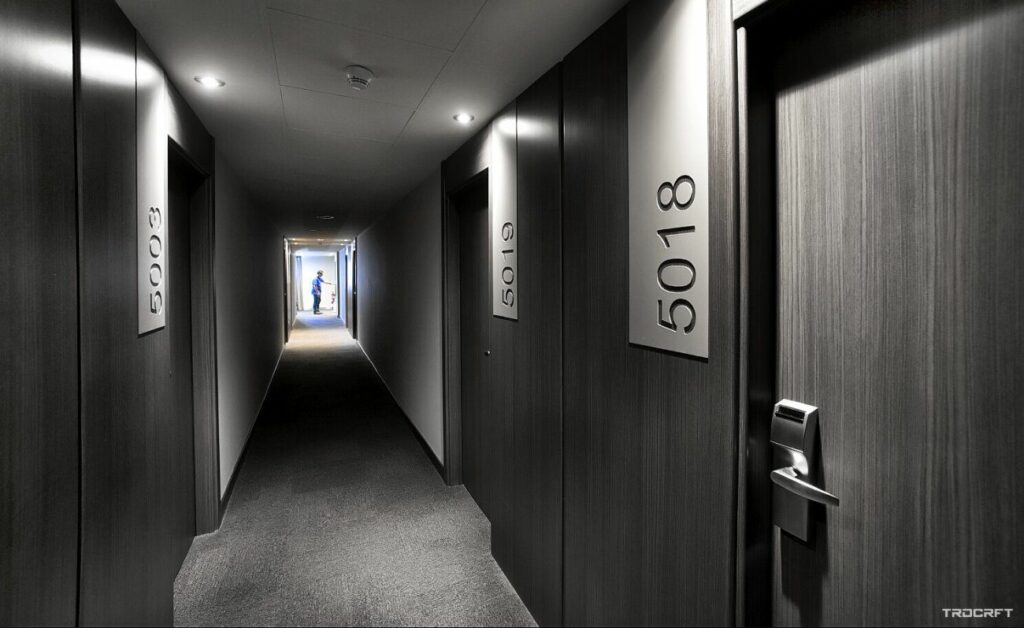
The most convenient, fastest and widely available option for nomads to stay pretty much anywhere at a moment’s notice. Ideal stays from a few hours to 1 to 5 nights.
There’s sites like Expedia and Priceline but in my experience, Booking.com almost always has the best rates by far with an easily usable rewards system, not to mention actually useful customer service.
Then there’s Hostel World for those budget or social stays for a bed in a dorm.
Airbnb
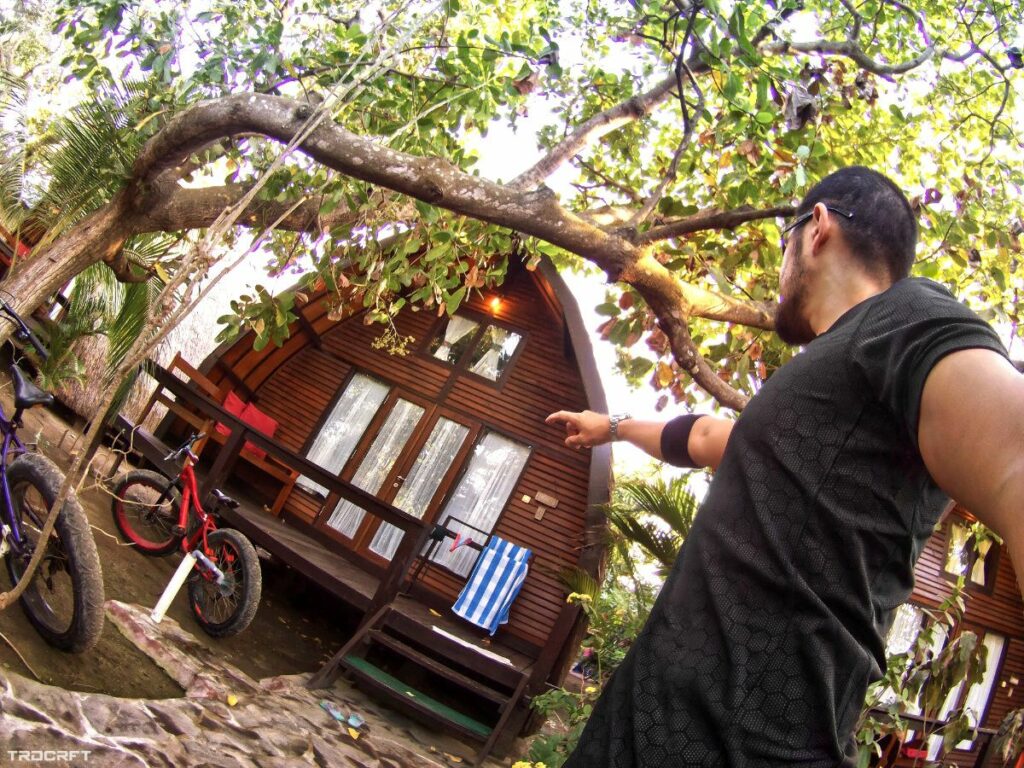
These can be booked similarly like hotels but instead you get someone’s homes or modeled as one, actual homes with the comforts, organics and culture of a local home. Ideal stays from 1 to 8 weeks.
If planning on staying for more than a week in a city or if you unexpectedly stay for a while but with a set date to leave, book a comfortable Airbnb that you feel at home with, after figuring out what part of the city suits you or is strategic for your visit.
Booking a week specifically is important as there’s often deep discounts when booking this many days. Even deeper discounts for 30 day bookings.
Rentals
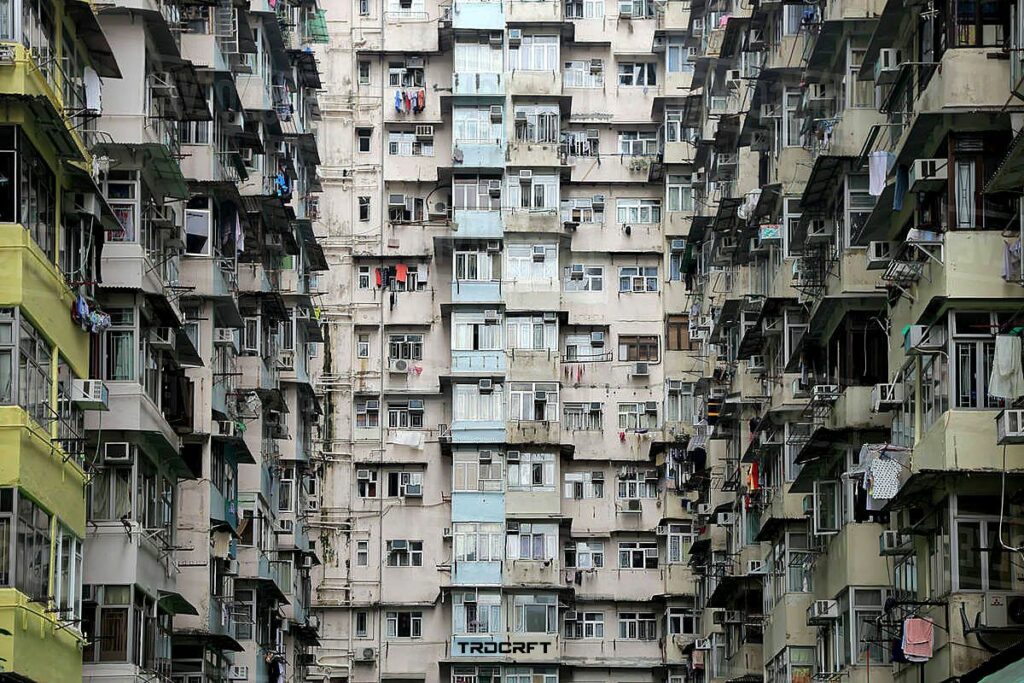
An actual lease on an apartment, house, villa or room. A place that’s effectively your “property” to make it your real home. Ideal stays from 3 – 12 months to years.
Airbnb works great for a couple of months max, and is nice to not deal with a contract / lease that you’ll be penalized for breaking. But if you’re really gonna live in a city as an expat, a long term lease is the way to go.
It’s not hard finding a place regardless of where you go. It’s typically universal, you just need to pay first months rent and a deposit and sign some papers.
*This guide on how to be a nomad will be continuously updated over time with new intel – updated on 12/20.