


Rolex Submariner: 10 Years on The Wrist
It’s been exactly a decade this month since receiving this Rolex reference 116610 watch for retirement from the agency for 10 years of service, of which it’s been on my wrist almost everyday since.
I’m not a watch guy, I don’t know much about watches but I do know this watch. It’s been the only physical object that’s been a constance for the past decade and I’ve gotten to know it like the back of my hand, literally.
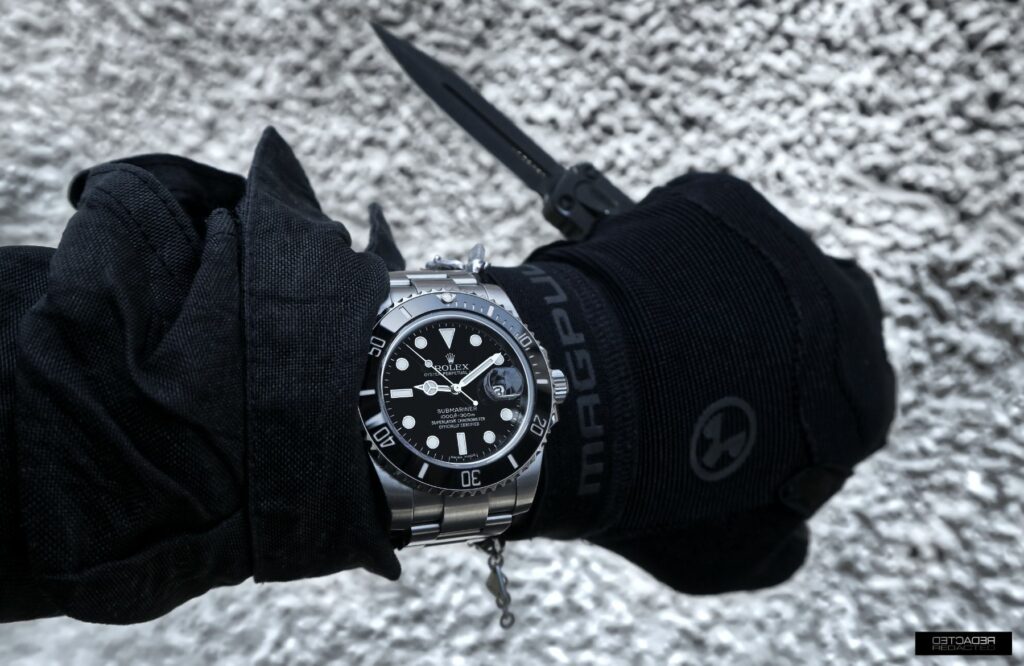
In the last 10 years I feel like I’ve aged 15 years but this Submariner hasn’t aged a day, except for mere scratched – albeit in abundance. But when looking at the face of the watch – dial, bezel and crystal, it’s flawless like the day it left the Rolex facility. This is my Rolex Submariner Date 10 year review.
The Submariner is an automatic mechanical watch, meaning it doesn’t use batteries (or any form of electricity) as it is “charged” by the movement of the hand. This means it doesn’t have to be opened up every year or 2 to replace the battery, but it does mean it has many moving parts that make up 220 individual parts. Which means a lot can go wrong if not properly constructed and finished.
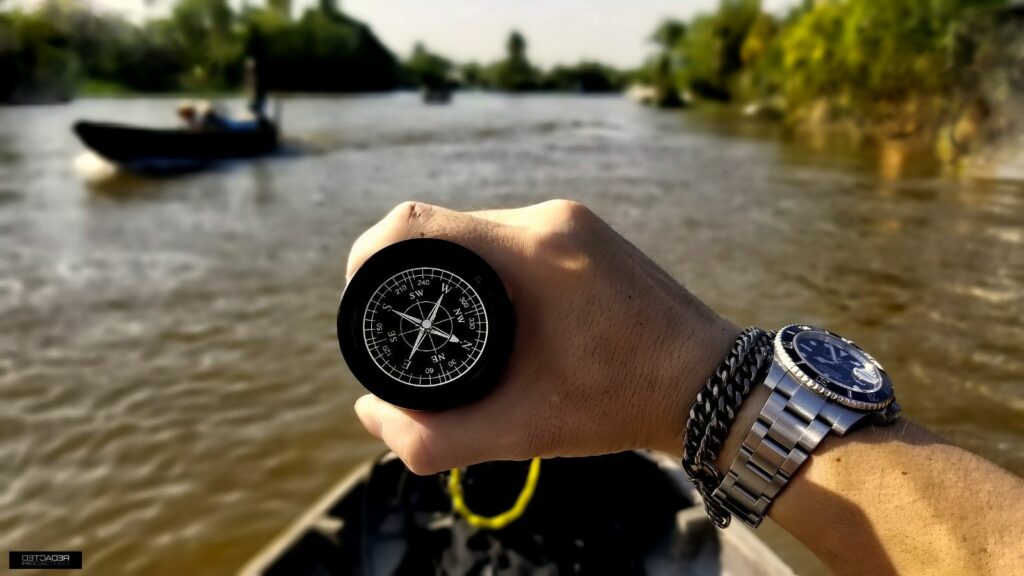
Not only have I worn it about 95% of the time in the last decade, but I’ve also done any and all activities with it on. From sports to sex to showers to sweating and shivering my ass off in 60 or so countries. Like I said, cosmetically it looks nearly perfect. As for function, it’s fast by about 3.5 seconds a day, up by a second from the last time I checked about 5 years ago.
To put into perspective, Patek Philippe watches (a brand on the highest tier of watchmaking, more than Rolex) are -3/+2 seconds a day and Seiko automatics watches are +45/-30 when working “perfect”. So this Rolex has deviated by a second but it’s still quite amazing how a battery never had to be replaced or opened up to fix the watch since 2012.
However, as a tiny complex machine that’s constantly internally in motion, it will eventually need to be serviced by a professional to give it an “oil change”, replace any malfunctioning / worn parts and regulated for accuracy. Even after 10 years of active wear, that time has not come.
I doubt I would ever buy a Submariner or any Rolex for that matter. Partly because I can’t personally (financially) justify paying 5 figures for a wristwatch when I can get a technically equivalent Omega Seamaster for half the cost, not that I would get that watch either. If I didn’t own this Sub but knowing what this watch entails and having significant disposable income, I would definitely “invest” in a used Submariner for $12,500, yes, preowned costs that much.
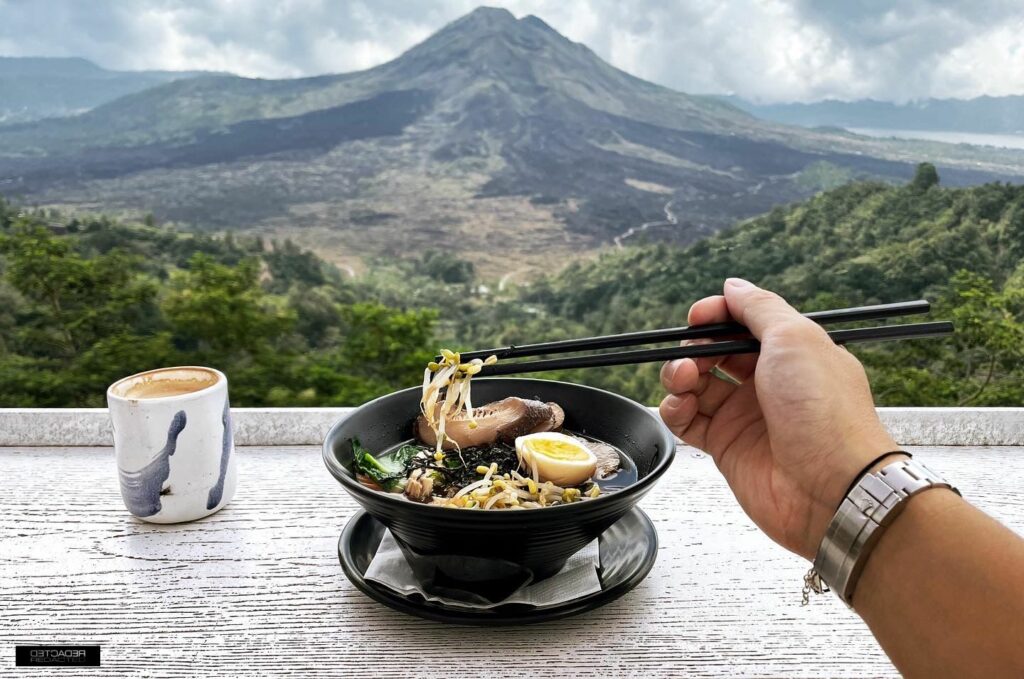
Although a brand new Submariner ref. 116610 goes for less than $9,000 for retail, it’s one of the only products in the world where the value goes up after it’s purchased. That’s what I mean by “invest”. The demand is so insane that it’s almost impossible to buy a Sub at retail (through an authorized dealer) that you have to buy on the secondary / grey market at these wild prices.
Imagine that, you can buy a tool, use it and abuse it for years then sell it for significantly more than what you paid for. That tells you how well these things are constructed and how timeless the design is. And this is not a passing or new phenomenon, Rolex watches, specifically Submariners, the value has historically gone up and up with not a single model or reference version worth less than it originally sold for, used or brand new.
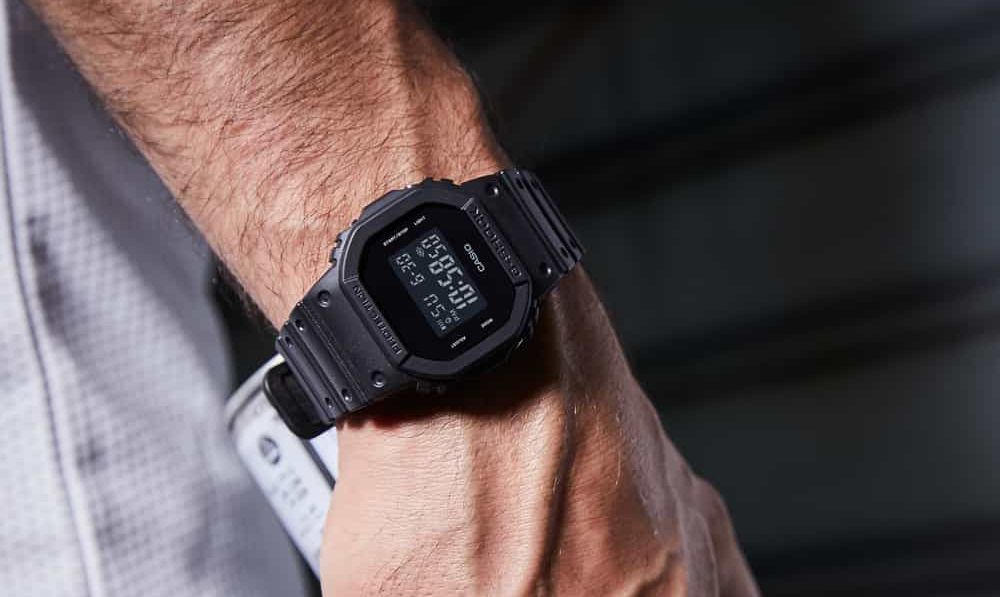
I’ve worn this through everything and I can’t recall when I had to take it off in fear of an activity harming it. However, I did purchase a G-Shock DW5600BB not long ago just to spice my wristgame up but found it uncomfortable compared to this Submariner despite it a fraction of the weight. It’s an incredible minimalist G-Shock for under a $100 but the Rolex kept calling.
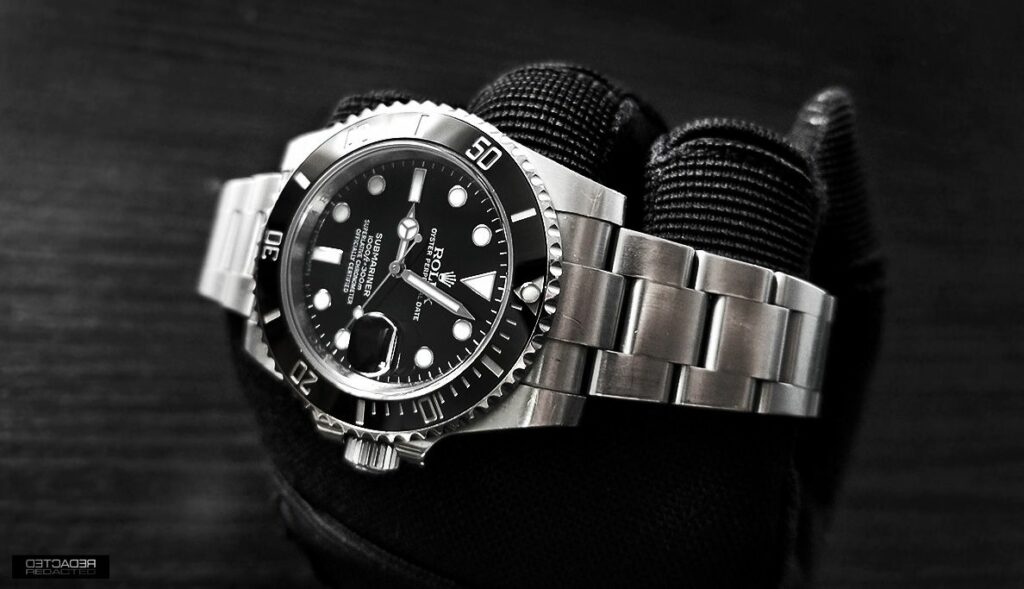
Other than the sentimental and long history of this watch in my life, it’s one of the best wristwatches ever made on its own. Being with me for so long and doing its simple function of telling the time without fail, I love this thing and would never sell it or part from it other than to hand down to my future child. If you have the money and looking for the ultimate everyday wear watch, like countless others who have experienced the Submariner, it would be the timepiece to recommend.
$13,000 USD | BUY THIS »
![“Survival in any form for any environment is an act of prevention and or recovery, best enacted by preparation.” -Det V Cader The problem with survival prepping is the assumption that you’ll be home when the SHTF, if not then it was all for nothing. This is the solution: Standard “prepping” is the practice of stockpiling pertinent supplies and the training of survival techniques to be used for a possible lifestyle altering, large-scale catastrophe or SHTF event. The typical process is simple; slowly but consistently acquire food, water, weapons and other relevant equipment and store them in a singular central location such as a home or private “bomb” shelter. Just as important but far less utilized is the ongoing learning and practice of survival, defense and use of the prepped equipment. Having everything in one location has one fatal flaw, however. It assumes that you will be at that very location at all times or it will always be easily accessible and nearby to your present location. There’s no way of knowing when or where an “event” will take place. Meaning getting to your home base where all your survival prepping is stored may be impossible due to the nature of an “event”; mass gridlock traffic, land / infrastructure destruction, social panic and violence, restrictive martial law, vicinity containment, active combat / hot zones and public transportation collapse. The average person commutes to work or school 5 days a week far enough that they need to take motorized transportation, public or private. Then there’s leisure, recreation and errands time at other homes and facilities as well as being away on vacation. So all that survival prepping, across town or half way around the world can be lost or seized by another. For more than a decade I’ve been doing the “vagabond survival prepping method” of which evolved from stashing small city-specific go-bags around the world as part of my former operative profession. It wasn’t about survival back then but about professional utility and function. Equipment that wasn’t ideal to equip on my person at all times because of unnecessary baggage or non-permissive locales. As time went by and the more I returned to some of these “prepped cities”, the go-bags that were already stashed became better equipped and for more dynamic use such as urban / wilderness survival. To this day, I manage these hidden go-bags whenever I happen to be in their respective countries. That’s my way of survival prepping while vagabonding. These are located in a growing number of the cities I frequently visit in secure but relatively easily accessible spots such as; under a boulder access in New York’s Central Park, inside a tree stump in the Amazon Jungle and a derelict manhole in Bangkok – all of which have been my active stash spots for years. Unlike typical at-home-preppers, I don’t have the luxury of a long term address so I can’t hand pick the exact items I want off the internet to ship to. But this works out for me just fine as I build / upgrade my kits with readily available materials from the city I’m in. So if an “event” does take place (which will often affect major cities first and most), I’ll have my prep kit close by no matter where I am in the world. Instead of having to rely on a singular base a continent away. Due to the limited opportunity but unlimited variety of goods available while constantly traveling, each go-bag is completely different. Some by design and others by necessity. All are sealed to protect from the elements and hidden but easily “accessible”. Various Kit Items List: Backpack, Duffle Bag or Dry Bag MRE’s, Canned Foods and Vitamins Bottled Water and Energy Shot Water Treatment Tablets Prescription Contact Lenses Kevlar Vest or Shield Climbing Rope and Gear Euros and US Dollars Gold and Platinum Bullion Urban / SERE Kit Wilderness Kit First Aid / Trauma Kit SD Card w/ Data Smartphone Gas Mask Knife, Machete and other Weapons CB and Two-Way Radio Full Change of Clothes Multi Tool and Pry Bar Flashlight and Chemlights Sleeping Bag or Parka Solar Charger Some may consider renting a locker in a facility like train stations or self storage units. It’s not easy to maintain them for years at a time when you’re not even in the country for years at a time. Also, when considering an “event”, it’s logical to expect the loss of power grid and the mayhem in busy public areas. It’s best to stash them where no one will look in an area that won’t be too hectic but not where it will be too difficult to reach with limited transportation options. The vagabond survival prepping method isn’t limited to location independents and nomads, however. Consider your travel requirements of daily life and stash a go-bag in strategic spots accordingly; in your car, near your job, somewhere between your home and work, a friend’s place and near a hangout you frequent. Survival prepping doesn’t end with the acquisition of supplies and equipment, it only begins there and continues on with honing skills to survive and thrive. [OPTICS : Triple Aught Design Pack]](https://myhealthynews.com/wp-content/uploads/sites/2/2022/12/Vagabond-Survival-Prepping-FAST-Pack-Litespeed-1-490x550.jpeg)
